
In the modern digital-first commercial environment, maintaining optimized administrative processes alongside a robust web presence is a fundamental requirement. A single, integrated visual web development platform is invaluable whether you are expanding an agile tech company, creating tailored client websites, deploying targeted landing pages, or coordinating multilingual international content. Conventional web development methods frequently suffer from disjointed processes, extended timelines, and expensive developer dependencies.
By centralizing visual design, content management systems (CMS), and infrastructure hosting into a unified operational hub, Webflow addresses these core challenges.
By automating layout formatting, structuring dynamic content, delivering worldwide endpoint hosting, and providing built-in search optimization tools, Webflow removes the need for manual coding. This shift enables organizational leaders to direct their attention toward business expansion rather than resolving technical complications.
Why Modern Enterprises Need Unified Design, CMS, and Hosting Software
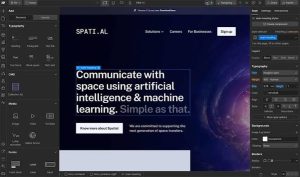
Scaling a web presence requires agility, but disconnected legacy tools create severe operational bottlenecks.
Key Demands for Modern Operations
Automated Visual Building: Fast, precise layout generation using CSS Grid and Flexbox with zero manual coding.
Streamlined Content Management: Automated template triggers for dynamic content updates, client edits, and blog publishing.
Dynamic Access Control: Shared permissions mapped directly to real-time client roles, designer workspaces, and editor access.
Unified Business Intelligence: Comprehensive site performance analytics across visitor traffic, search visibility, and conversion metrics.
Scalable Global Reach: Built-in multi-language localization, SEO management, and Answer Engine Optimization (AEO) features.
The Costs of Traditional Legacy Workflows
- Siloed Software Systems: Managing separate platforms for graphic design, CMS backends, security plugins, and web hosting.
- High Operational Overhead: Hiring specialized frontend personnel solely to manage manual design-to-code conversions.
- Security & Compliance Risks: Delayed software updates leaving active plugins vulnerable to open cyber threats.
- Data Discrepancies: Inaccurate content syncs across static databases and disconnected staging environments.
Webflow replaces these slow, disconnected tools with end-to-end automation—delivering a true web OS designed for modern business needs.
The Complete Webflow Product Suite: A Single Unified Data Layer
Unlike traditional website builders that simply merge disparate plugin acquisitions, Webflow operates on a single visual data layer. When a design system updates in your canvas, page components, live layouts, and editor views automatically adjust across every page.
1. Visual Design & Canvas Engine
- Automate layout creation using CSS Grid, Flexbox, and custom responsive breakpoints.
- Manage complex interactions, 3D animations, and global site variables (typography, colors, and components).
- Reduce frontend design-to-code development time significantly per build.
2. Dynamic Content Management System (CMS)
- Automatically structure custom content collections for blogs, team listings, portfolios, and marketing assets.
- Manage dynamic content visually, allowing editors to update site assets without touching design code.
- Automated dynamic template generation at scale across thousands of content pages.
3. Global Hosting & Infrastructure
- Automatically deploy sites across AWS and Cloudflare CDNs with SSL certificates enabled out of the box.
- Track page performance, mandate enterprise security standards, and push live site updates instantly.
- Automated 99.99% uptime compliance and serverless site scaling.
4. Optimization, SEO, & AEO Suite
- Generate native meta-tags, 301 redirects, and automated XML sitemaps.
- Optimize content automatically for traditional search engines and AI-driven answer engines (AEO).
- Track organic growth and conversion paths using integrated site analytics tools.
5. Apps, Ecosystem, & Developer Workflows
- Export visual UI components directly to React applications using DevLink.
- Connect third-party tools via Webflow Apps and custom APIs for unified operational automation.
How Webflow Works: From Concept to Launch
- Add New Site Profile: Select a blank canvas or start from a pre-built template in the centralized Webflow console for frictionless site setup.
- Automatic Trigger Execution: Webflow automatically generates clean, semantic HTML5, CSS3, and JavaScript in parallel across your visual design layout and CMS collections.
- AI-Powered Configuration: Webflow AI applies rule-based contextual styling, automatically optimizing asset compression, layout accessibility, and responsive viewports.
- Continuous Workflow Management: Edit content live, track conversion analytics, and run optimization reports in real time as your site grows.
- Instant Offboarding & Publishing: When an update is complete, a single click publishes changes to global CDNs instantly, locking in security protection.
Built for Scalable Operations Across Every Industry

High-Growth Startups: Scale fast from seed stage to enterprise without inflating internal engineering headcount.
Designers & Agencies: Deliver bespoke client websites rapidly while maintaining full creative control.
Marketing & Content Teams: Centralize landing page creation, enforce brand design rules, and publish blog content independently.
Global Enterprises: Deploy localized, multi-language web experiences across 100+ countries while maintaining strict compliance.
- Finance & Ops Leaders: Gain total visibility into web infrastructure costs, software licensing, and hosting scale.
Modular Architecture & Pricing Models
Webflow utilizes a flexible, modular pricing strategy that scales alongside your organizational growth:
- Core Platform Engine: Provides the baseline visual editor, canvas builder, static interactions, and staging environment.
- A-la-Carte Site Modules: Select specific hosting tiers—such as Basic, CMS, Business, or Enterprise—paying only for active hosting and bandwidth needs.
- Workspace Add-Ons: Seamlessly add team collaboration seats, agency permissions, or client billing capabilities on a per-seat basis.
- Custom Enterprise Customization: High-volume enterprises gain access to custom API endpoints, dedicated account managers, and SOC 2 Type II support infrastructure.
Why Webflow Leads the Next Generation of Web OS Software
Unlike fragmented CMS bundles that require costly integration middleware, Webflow offers:
- True Visual Integration: A single data model powering visual design, CMS content, and production code simultaneously.
- Built-in AI Intelligence: Context-aware AI capable of generating page sections, writing copy, and building custom layout structures instantly.
- Cross-Departmental Automation: Triggers that span multiple functions (e.g., automatically giving marketers access to publish blogs without altering design code).
- Global Scale Native Capability: Built from the ground up to support international localization, native SEO, and multi-currency e-commerce.
Transform Your Web Operations with Visual Automation
In a competitive market, speed, design quality, and administrative efficiency are critical operational advantages.
Webflow represents the future of visual web development—turning fragmented digital administration into a streamlined, high-performance operational engine. From local startups to multinational enterprises, Webflow simplifies how companies design, publish, and scale their web presence globally.
Because today, running a great website shouldn't require complicated code—just powerful visual platforms like Webflow.
Visit Site